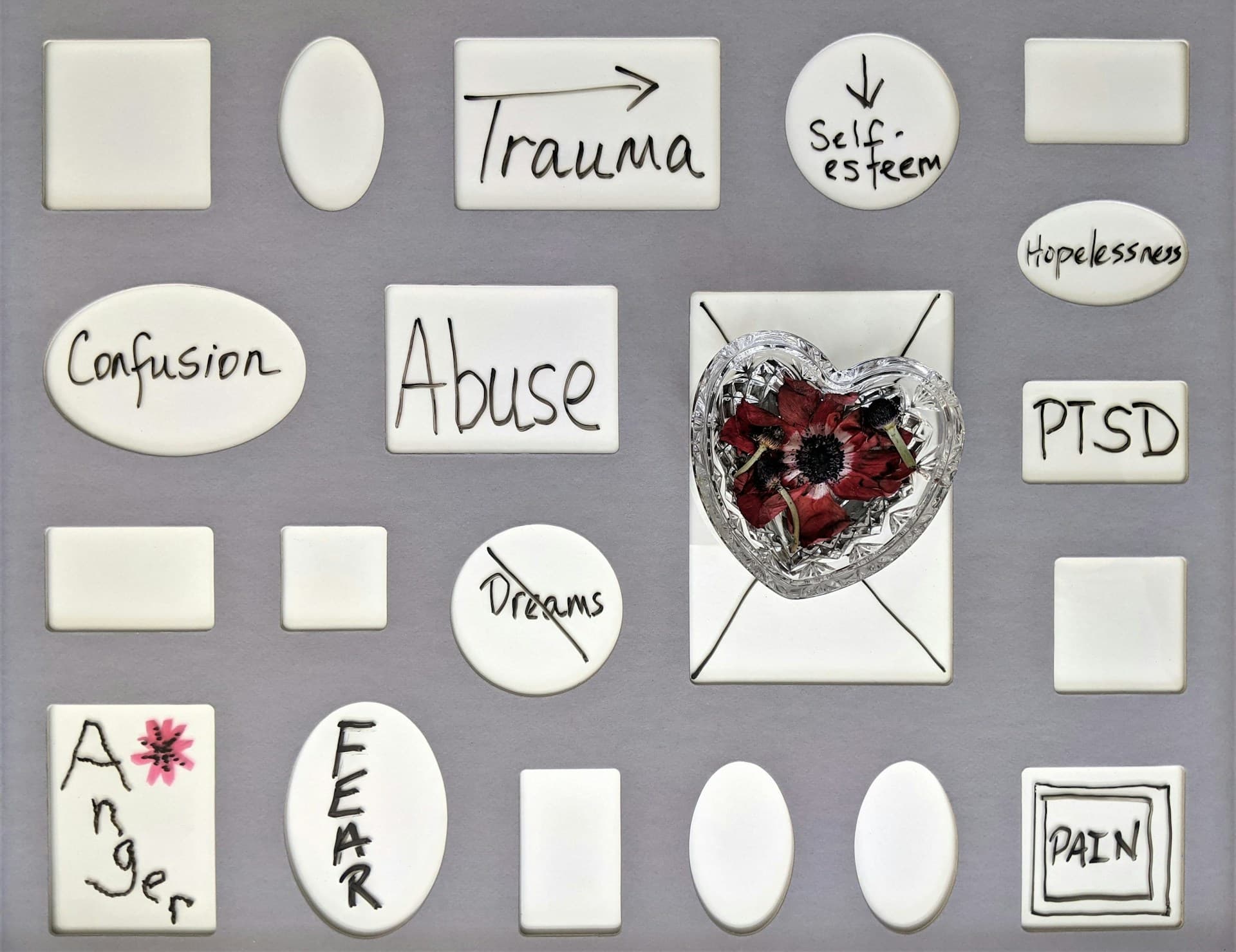
Healing from Trauma: The Role of Traumatic Incident Reduction (TIR) in PTSD Recovery
In the realm of mental health and therapy, innovative approaches continually emerge, offering new hope and paths to recovery for those struggling with the aftermath of traumatic experiences. One such method, Traumatic Incident Reduction (TIR), has gained recognition for its effectiveness in addressing and resolving the symptoms of Post-Traumatic Stress Disorder (PTSD) and other trauma-related conditions. As a TIR facilitator, my goal is to shed light on how this therapeutic approach can empower individuals to release the emotional charge linked to traumatic events and regain control over their mental and emotional well-being.
Understanding TIR
Traumatic Incident Reduction is a specialized therapeutic technique designed to help individuals confront and process the emotional intensity of past traumas. Unlike traditional therapy sessions that adhere to a fixed schedule, TIR sessions are unique in that they work towards a point of emotional resolution for the client, without a predetermined duration. This flexibility ensures that each session is tailored to the client's needs, providing sufficient time to address the trauma fully and achieve a sense of relief and improvement in their overall well-being.
The Process of TIR
TIR employs a structured approach, guiding clients through a series of steps to revisit one traumatic incident at a time. This process is carried out in a supportive and non-judgmental environment, allowing individuals to safely re-experience and process the entirety of the incident. The objective is to release the emotional burdens connected to the event, leading to profound changes in emotional responses, increased resilience, emotional regulation, and a renewed sense of control over one's life.
The Impact of TIR
Clients who undergo TIR therapy often report significant improvements in their ability to manage their mental environment effectively. By addressing the root causes of emotional distress, TIR facilitates a journey of healing and growth, enabling individuals to move beyond their traumatic experiences. The technique offers a focused and proven method to tackle the lasting impact of trauma, providing a pathway to reclaim emotional well-being and empowerment.
Creating a Safe Space for Healing
As a facilitator, I am dedicated to creating a safe and compassionate space that promotes healing. The importance of a supportive environment cannot be overstated in the context of TIR, as it is crucial for individuals to feel secure and accepted throughout the process. This commitment to providing a nurturing setting is at the heart of TIR's success, allowing clients to explore their experiences and emotions without fear of judgment.
Empowerment Through TIR
The journey through TIR is not just about confronting past traumas; it's about finding empowerment in overcoming the challenges they present. This therapeutic approach equips individuals with the tools to navigate their emotional landscapes with confidence, fostering a greater sense of agency over their lives. The transformative power of TIR lies in its ability to help clients discover their strength and resilience, offering a beacon of hope for those seeking to break free from the chains of trauma.
In conclusion, Traumatic Incident Reduction represents a vital tool in the arsenal against PTSD and trauma-related conditions. By focusing on emotional resolution and the empowerment of the individual, TIR offers a path to recovery that is both effective and deeply respectful of the client's experience. For anyone grappling with the effects of trauma, TIR provides a promising avenue for healing, promising a future where past traumas no longer hold sway over one's emotional well-being.