Link Between Social Media and Mental Health
Case Study: Emily’s Social Media Struggles
Emily is a 20-year-old college student who has been struggling with her mental health for the past year. She has always been active on social media platforms like Instagram, Facebook, and Snapchat, using them to stay connected with friends and share updates about her life. However, as she entered college, Emily noticed that her social media usage started to have a negative impact on her well-being.
Emily spends several hours a day on social media, scrolling through her feeds, liking, and commenting on posts, and posting her own photos and updates. She follows many influencers and celebrities, whose glamorous lifestyles often leave her feeling inadequate and envious. Emily also experiences FOMO when she sees her friends posting about parties, events, and vacations that she wasn't invited to.
Emily's case highlights the complex interplay between social media and mental health. While social media offers opportunities for connection and self-expression, it can also exacerbate feelings of inadequacy, anxiety, and isolation. By addressing these issues and developing healthier digital habits, individuals like Emily can mitigate the negative impacts of social media on their well-being and improve their overall mental health.
Social media can have both positive and negative impacts on mental health, and the effects can vary depending on individual experiences and circumstances. Let’s look at the link between social media and mental health.
Positive Influence of Social Media on Mental Health
-
Positive Connections: Social media allows people to connect with friends, family, and communities, which can provide social support and reduce feelings of loneliness and isolation.
-
Access to Information and Resources: Social media platforms can be valuable sources of information and resources for mental health support, providing access to educational materials, online therapy, and support groups.
-
Increased Awareness and Advocacy: Social media can raise awareness about mental health issues, reduce stigma, and encourage advocacy and activism for mental health rights and initiatives.
Negative Influences
-
Comparison and Self-Esteem: On the other hand, social media can also contribute to negative mental health outcomes, such as feelings of inadequacy or low self-esteem, as people may compare themselves unfavourably to others based on curated and idealized representations on social media.
-
Cyberbullying: Social media platforms can be breeding grounds for cyberbullying, harassment, and online abuse, which can have severe negative impacts on mental health, particularly among vulnerable populations such as adolescents.
-
Fear of Missing Out (FOMO): Constant exposure to highlight reels of others' lives on social media can exacerbate feelings of FOMO and lead to anxiety or depression.
-
Sleep Disturbances: Excessive use of social media, particularly before bedtime, can disrupt sleep patterns, leading to sleep disturbances and fatigue, which can negatively impact mental health.
-
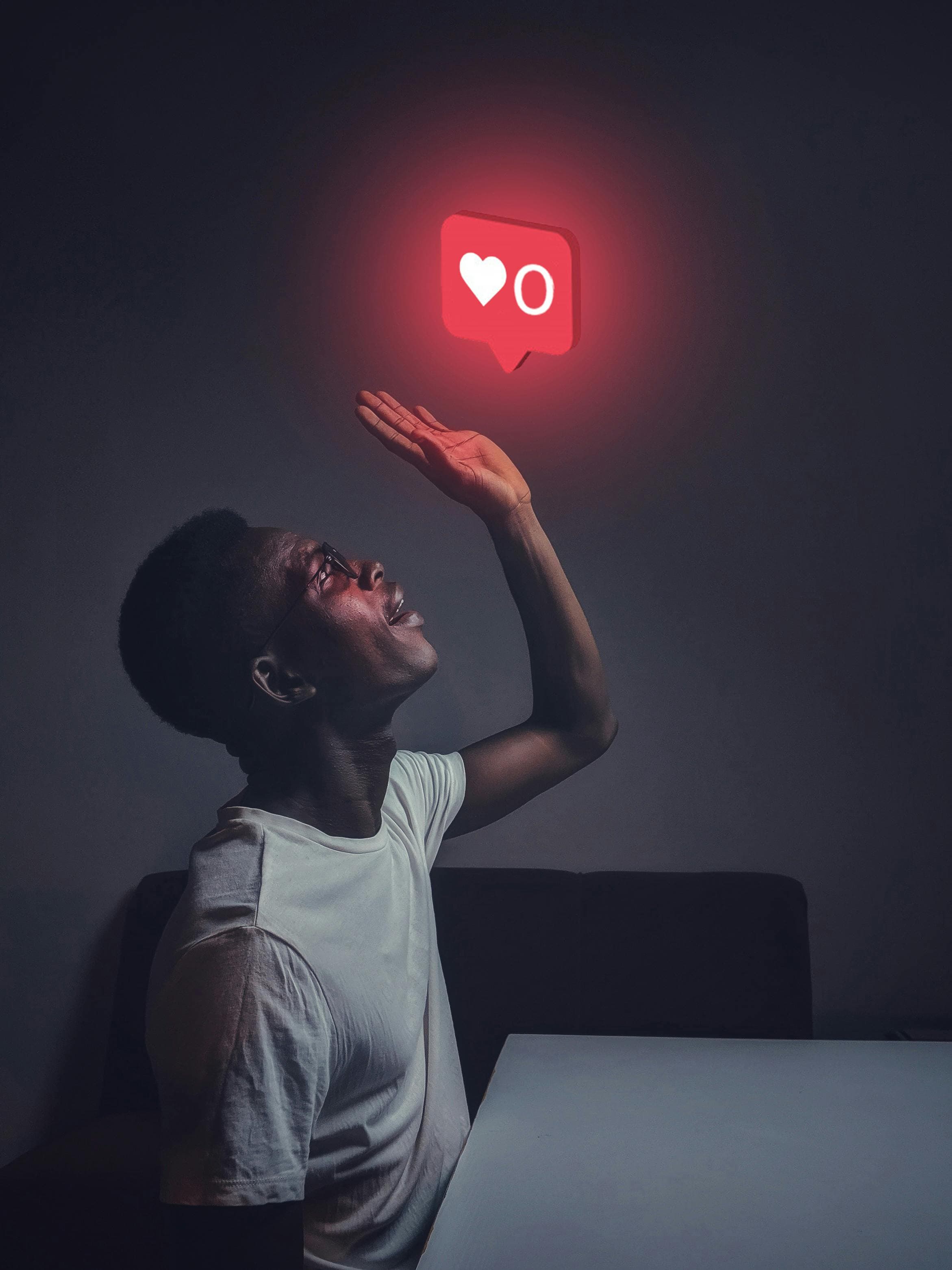
Validation and Addiction: Seeking validation through likes, comments, and shares on social media can create a cycle of addiction and dependence, where individuals may feel anxious or distressed if they do not receive the desired level of attention or validation.
-
Filter Bubble and Echo Chambers: Social media algorithms often personalize content based on user preferences and behaviors, creating filter bubbles and echo chambers where users are exposed to information and viewpoints that reinforce their existing beliefs. This can lead to polarization, intolerance, and increased anxiety about social and political issues.
How To Manage Social Media's Impact on Mental Health
Set Boundaries
Establish clear boundaries around your social media usage, including specific times of day for checking social media and limits on overall screen time. Consider using features like screen time tracking and app limits to help enforce these boundaries.
Curate Your Feed
Be mindful of the content you consume by curating your social media feed to include positive, uplifting, and informative content. Unfollow accounts that trigger negative emotions or contribute to feelings of inadequacy and follow accounts that inspire and motivate you.
Practice Mindful Engagement
Practice mindfulness when using social media by paying attention to your thoughts, emotions, and physical sensations as you scroll through your feed. Take breaks to check in with yourself and assess how you're feeling and consider unfollowing or muting accounts that don't align with your values or goals.
Limit Notifications
Disable unnecessary notifications from social media apps to reduce distractions and interruptions throughout your day. Choose specific times to check your notifications rather than constantly responding to every alert, allowing yourself to focus on other activities without constant digital interruptions.
Balance Online and Offline Activities
Strike a balance between your online and offline activities by allocating time for both digital and real-world interactions. Engage in hobbies, exercise, spend time with loved ones, or pursue personal interests that bring you joy and fulfilment offline.
Practice Self-Compassion
Be kind to yourself and practice self-compassion when using social media. Remember that people often present curated versions of their lives online, and it's okay to prioritize your mental health by taking breaks, setting boundaries, and seeking support when needed.
Seek Support
Reach out to friends, family, or a mental health professional if you're struggling with the impact of social media on your mental health. Talking to someone you trust can provide perspective, validation, and support as you navigate your relationship with social media and prioritize your well-being.
Last Thoughts
It's often hard to recognize how constant scrolling, comparing, and seeking validation online can affect our well-being. Remember, your mental health matters, and there are interventions that can help you feel better. Start by setting boundaries around your social media usage, such as limiting screen time or unfollowing accounts that make you feel inadequate or anxious. Engage in activities that nourish your mind and soul offline, whether it's spending time with loved ones, pursuing hobbies, or practicing mindfulness. And don't hesitate to seek support from friends, family, or a mental health professional if you're struggling. You deserve to prioritize your well-being and find a balance that brings you peace and fulfilment.